£0.00 0 items
Anti-Bullying Week: Break the Silence
This week millions of children across the UK are taking part in Anti-Bullying Week, which is organised each year by the Anti-Bullying Alliance, a coalition of organisations and individuals who work together to stop bullying and create safer environments in which children and young people can live, grow, play and learn. The week starts with Odd Socks Day where adults and children wear odd socks to celebrate what makes us all unique.
Breaking the silence starts with us…
This year’s Anti-Bullying Week theme is Break the Silence, encouraging everyone to speak up about bullying and create a culture where no one feels they have to suffer in silence. Whether in school, at home, in the community or online, we all have a part to play in challenging bullying, listening without judgement and making sure everyone feels safe, supported and included.
By speaking up, listening and supporting one another, we can help create the sense of belonging and connection that we all need.
The importance of being part of a wider community:
At its core the human givens approach is a highly empowering idea – that human beings, like all organic beings, come into this world with a set of needs. If those needs are met appropriately, it is not possible to be mentally ill. Community is one of our 9 essential emotional needs – find out more >
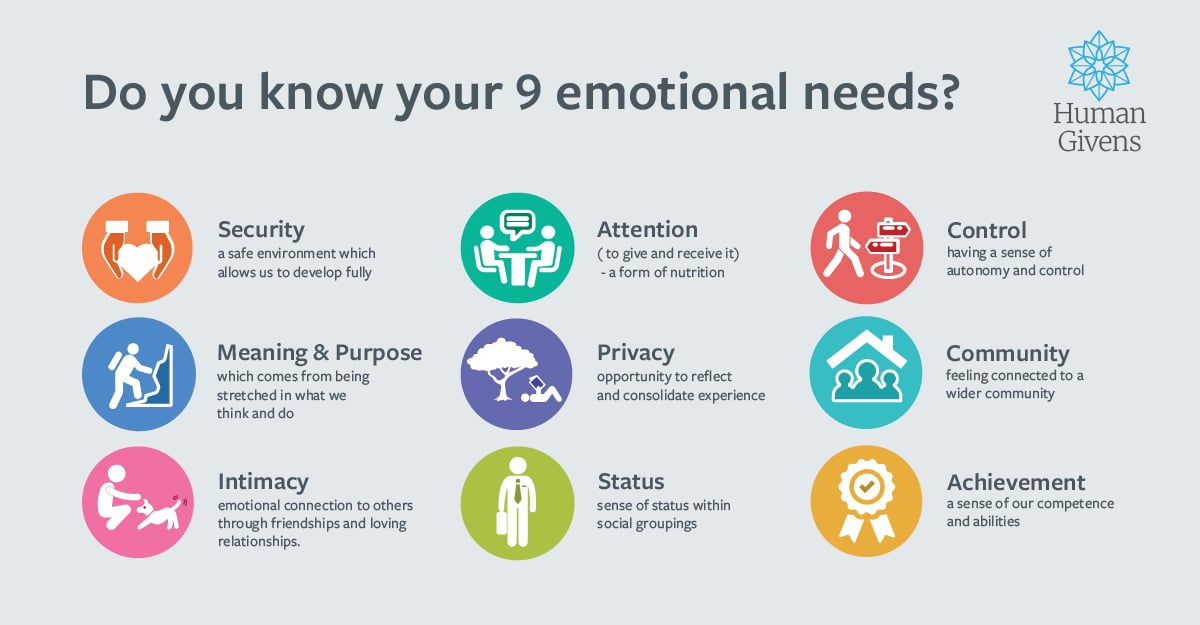
Feeling safe, secure and valued is essential to children’s mental wellbeing and healthy development. As parents, carers, teachers and friends, we can all help to stop, and prevent, bullying – but sometimes it can be difficult to know where to begin.
Pat Capel – classroom teacher of 25 years and trained HG psychotherapist – shares invaluable insights and clear techniques that can be applied in any situation. By approaching bullying behaviour – and its consequences – through the lens of unmet emotional needs, Pat shows how the HG approach sheds light on why bullying behaviour happens, and unlocks practical and effective strategies for preventing – and stopping – it.
Listen to the audio playlist here >
The impact of bullying…
Bullying can happen to anyone at any time – and its impact on an individual’s mental health can be devastating.
- 1 in 5 pupils in Years 7–13 in England reported experiencing bullying in the previous 12 months (2024/25).
- 29% of pupils who experienced bullying said that at least some of it happened online.
- 25% of Key Stage 3 pupils reported experiencing bullying in the previous 12 months, compared with 19% of Key Stage 4 pupils.
- Almost 1 in 4 pupils taking part in the Anti-Bullying Alliance’s United Against Bullying programme reported being bullied a lot or always.
Bullying has a significant impact on a child’s life which can last well into adulthood, with adults who were bullied as children being more likely to:
- Experience a range of mental health issues
- Earn less money
- Be unemployed
- Be obese
- Not be in a stable relationship
- Leave school with no qualifications
Source Anti-Bullying Alliance
There is a strong link between mental health and bullying … young people who have experienced bullying are more likely to experience mental health issues and those who have mental health issues are more likely to be bullied”
The Anti-Bullying Alliance
How to improve children’s mental health – one step at a time
A new charity, One Step Borders, is on a mission to improve the mental health and well-being of young people in their local area. Alex Kennedy, the Managing Director, tells us how they are achieving this…
Listen to the podcast here >

Join our expert HG tutors to learn more:
- How to reduce anxiety in students and young people – webinar
- How to create healing stories for distressed children – live CPD workshop
- How to help young people who self harm – live webinar
- Overcoming Self-harm – online course
- How to work effectively with troubled and troublesome teens – live CPD workshop
- Understanding Eating Difficulties – live CPD webinar


